
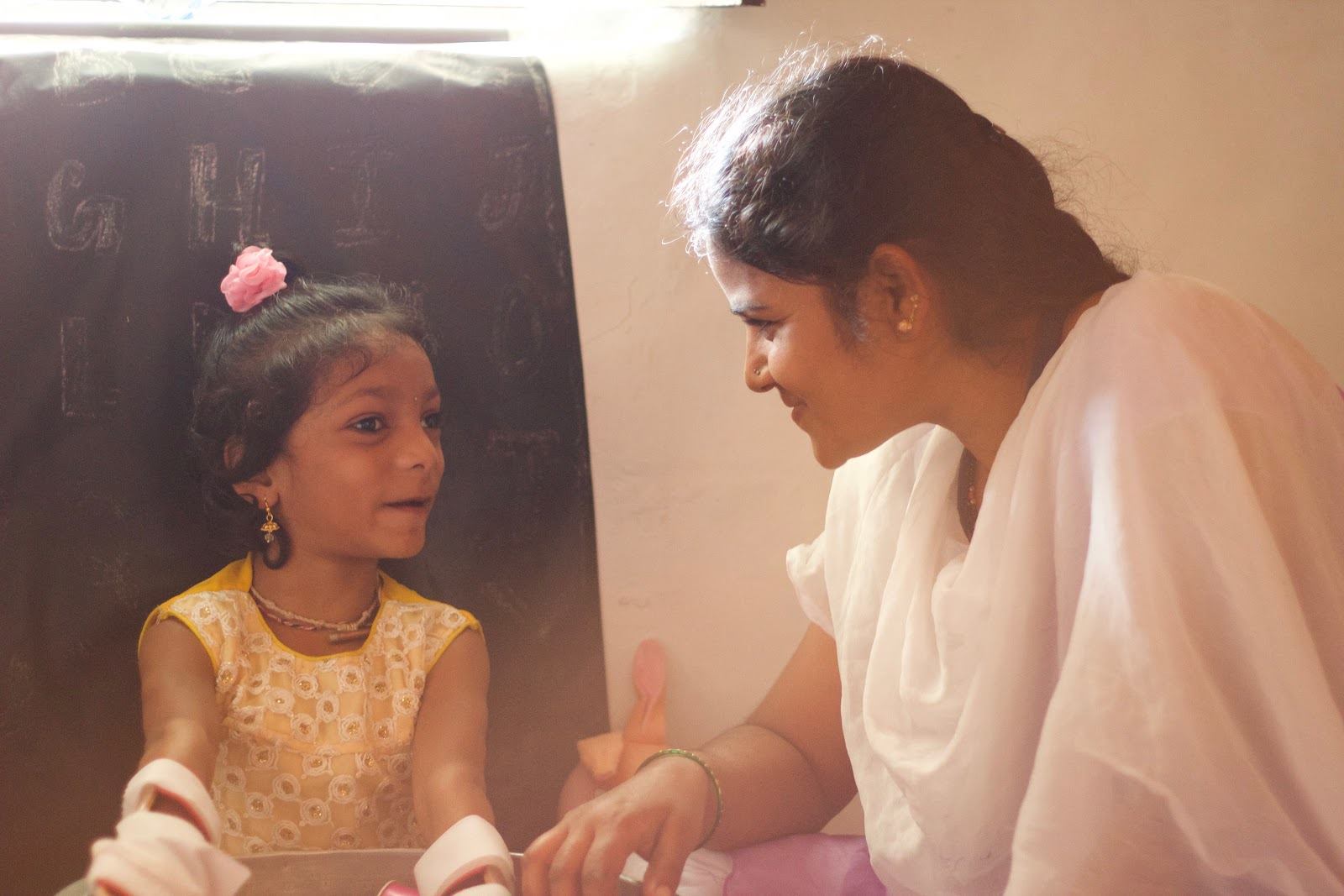
From rehabilitation to participation.
Comprehensive Care, Support and Treatment for Persons with Disabilities (CCST-PwDs) brings together health, rehabilitation, inclusive education, livelihoods, social protection, peer collectives and accessible systems so persons with disabilities can lead more independent, dignified and fulfilling lives.
Program Objective
To build the human and social capital of persons with disabilities by improving access to rehabilitation services, inclusive education, livelihood opportunities, social protection and community support systems, enabling them to lead independent, dignified and fulfilling lives.
Comprehensive rehabilitation that looks beyond disability to capability
Since 1996, SVYM has implemented CCST-PwDs to improve the health, independence and quality of life of persons with disabilities through a comprehensive community-based rehabilitation approach.
The programme integrates institution- and community-based rehabilitation across health, inclusive education, socio-economic empowerment and the creation of more accessible and inclusive ecosystems. The aim is not simply to deliver a therapy session or device, but to strengthen the person, family, collective and community systems around them.
Read more about the CCST approach
CCST-PwDs combines medical and surgical care, physiotherapy and other rehabilitation therapies, assistive technology, special and inclusive education, vocational training, placement, self-employment support, social entitlements, helpline and guidance services.
The programme also invests heavily in community institutions. Self Help Groups, federations, caregiver groups and multi-stakeholder teams create spaces where persons with disabilities can save, organise, learn, advocate and collectively address barriers to healthcare, entitlements, mobility and livelihoods.
This is central to SVYM’s development approach: building the human and social capital required for persons with disabilities to move from being recipients of services towards greater capability, participation, voice and independence.
Key Highlights
Direct rehabilitation strengthened by community systems
During FY 2025–26, CCST-PwDs extended medical-surgical care, rehabilitation therapy, assistive devices, social entitlements, vocational training, placement and guidance to registered persons with disabilities. Alongside direct services, the programme strengthened the community structures that help people remain connected to support over the long term.
Rehabilitation & medical care
Institution- and home-based rehabilitation, medical-surgical care and assistive technology strengthened function and everyday participation.
Collective capability
SHGs and federations continued to build savings, peer support, local leadership and pathways to services and entitlements.
Inclusive systems
Multi-stakeholder teams, accessibility pilots, physical guidance and helpline support helped address barriers outside the rehabilitation centre.
One person. Many dimensions of independence.
CCST-PwDs works across the full rehabilitation and inclusion journey. Improved physical function matters, but so do education, livelihood, rights, social networks, accessible environments and the confidence to participate.
Early identification
Community contact, screening and guidance help connect persons with disabilities to appropriate support.
Health & therapy
Institution- and home-based rehabilitation, therapy and medical-surgical care strengthen function and wellbeing.
Assistive technology
Devices and technologies support mobility, sensory access, communication and participation.
Education
Special, developmental and inclusive education support children and young persons to learn and participate.
Peer collectives
Self Help Groups and federations create savings, mutual support, information and collective voice.
Rights & entitlements
Guidance and public-system convergence help people access social protection and disability entitlements.
Livelihoods
Vocational training, placement and self-employment support strengthen socio-economic independence.
Accessible ecosystems
Community awareness, public institutions and practical accessibility initiatives help reduce environmental barriers.
Care, guidance and participation — closer to the person
Institution-based rehabilitation
3,195 PwDs accessed rehabilitation through institutional services.
Home-based rehabilitation
984 PwDs received rehabilitation closer to home, helping sustain care where travel and mobility are barriers.
Medical-surgical care
285 PwDs accessed medical or surgical interventions as part of comprehensive rehabilitation.
Assistive devices
497 PwDs received assistive devices that support mobility, function, communication or sensory access.
Capacity building
779 PwDs and caregivers participated in initiatives designed to build knowledge, confidence and long-term capability.
Guidance & helpline
Physical guidance visits and helpline support created accessible pathways to information, services and public systems.
Rehabilitation becomes stronger when support exists closer to home
Community-based rehabilitation reduces the distance between the person, caregiver and the services they need. It also strengthens local ownership so families do not depend only on specialist institutions for every part of the care journey.
Rehabilitation Resource Centres
Therapy, guidance, assistive support and caregiver learning can be brought together in accessible community-facing spaces.
Caregiver capability
Caregivers learn techniques, understand needs better and continue rehabilitation support between professional sessions.
Government convergence
Panchayats, taluk-level systems and disability-welfare departments help connect families with entitlements and public services.
Kushalnagar illustrates this approach: caregiver demand for rehabilitation closer to home helped establish a community-based centre, reducing the travel and cost burden for families of children requiring regular therapy.
One collective, many strengths
PwD Self Help Groups turn inclusion from an individual service relationship into collective social capital — creating spaces for savings, peer learning, access to rights, livelihood planning, local leadership and shared voice.
PwD Self Help Groups formed through the programme.
SHGs are self-sustaining, reflecting stronger local ownership and continuity.
SHGs proactively supported fellow PwDs through linkages to services and opportunities.
PwDs supported by these SHGs through entitlements, assistive devices, healthcare and rehabilitation linkages.
Social capital with practical consequences: a collective can help a member find information, access an entitlement, reach healthcare, obtain an assistive device, explore livelihood options or raise an accessibility issue with greater confidence.
Inclusion also means changing the systems around the individual
CCST-PwDs increasingly works beyond direct rehabilitation to address barriers in public systems, community institutions and everyday environments.
Testing public-transport accessibility with persons with visual impairment
In collaboration with Raised Lines Foundation, SVYM piloted OnBoard devices and tested their usability across city buses in and around Mysuru. The initiative placed lived experience at the centre of assessing whether an accessibility solution works in everyday public transport.
400+persons with visual impairment covered through the pilot.
Multi-stakeholder action
Functional multi-stakeholder teams operate across 7 taluks, bringing together representatives from PwD SHGs, Government departments, NGOs and other stakeholders.
38 taluk-level meetings addressed 84 PwD-related issues, creating a structured forum to identify barriers and take them up for resolution.
Teams typically bring together 10–20 representatives, making disability inclusion a shared local-system responsibility rather than the work of one organisation alone.
Health, education, livelihoods, rights and community voice need to connect
The long-term value of CCST-PwDs lies in how rehabilitation connects with other parts of SVYM and the public system, creating multiple pathways towards independence and participation.
Health & Rehabilitation
VMH, rehabilitation resource centres and community teams connect clinical care with therapy, follow-up and assistive support.
Inclusive Education
Developmental, special and inclusive education help children and young persons strengthen learning and participation.
Livelihoods & Enterprise
Skills, placement, self-employment and enterprise pathways help translate capability into livelihood choice and contribution.
Community Voice
Awareness, community media, SHGs and federations help challenge stigma and make information more accessible.
Rights & Social Protection
Government departments, Panchayats, entitlements and guidance mechanisms help turn inclusion into a public-system responsibility.
Local Ownership
Caregivers, PwD leaders, SHGs and multi-stakeholder teams help identify priorities and sustain solutions closer to communities.
Building the human and social capital for inclusion: the programme’s outcome is not only a therapy completed or an assistive device delivered. It is a person with greater capability, a family with greater confidence, a collective with greater voice and a community better able to include.
Help build communities where disability does not limit opportunity
Partner with SVYM to strengthen rehabilitation, assistive technology, inclusive education, livelihoods, social protection, community collectives and accessible systems for persons with disabilities.